Free Dynamic QR Code Generator
A dynamic code separates the pattern from the destination. The printed square points at a short link you own, so you can change where it goes at any time, without reprinting a single thing.
Start with your destination link
Link to any web page
Try something like https://example.com/

This code is static and permanent. To change where it points after printing, .
Why Use This Tool
A dynamic code separates the pattern from the destination. The printed square points at a short link you own, so you can change where it goes at any time, without reprinting a single thing.
Change where it goes anytime
The pattern points at a short link you own, so a new destination is an edit on the link, never a reprint of the code.
Fix a mistake after printing
A wrong URL, a typo in the domain or a page that was never published becomes a thirty-second edit rather than a scrapped print run.
Scan counts keep building
The history stays intact across every destination change, so a campaign that ran through several offers is still measurable as one code.
One print run outlives the campaign
Repoint the same posters at a November offer and an evergreen page in January, and retire a finished campaign to a real page instead of a 404.
How It Works
- 1
Create the short link first
Inside linkutm, make a short link pointing at your destination. That link is the permanent address the code will carry. Everything you change later, the destination, the campaign tags, the expiry, happens on the link, never on the code.
- 2
Generate the QR code from the short link
Paste the short link into the generator and download the code. Short links produce sparse, robust patterns that scan faster and print smaller than the long tagged URLs they usually replace, which is a free side benefit of doing this properly.
- 3
Print once, with confidence
Because the destination is no longer baked into the pattern, a URL change, a site migration, or a mistyped landing page is now a thirty-second edit instead of a reprint. This is the entire reason dynamic codes exist.
- 4
Repoint it whenever the campaign moves on
Send the same posters at a seasonal offer in November and an evergreen page in January. Retire a finished campaign to a relevant category page rather than a 404. Every code already printed, shipped or stuck to a wall follows along.
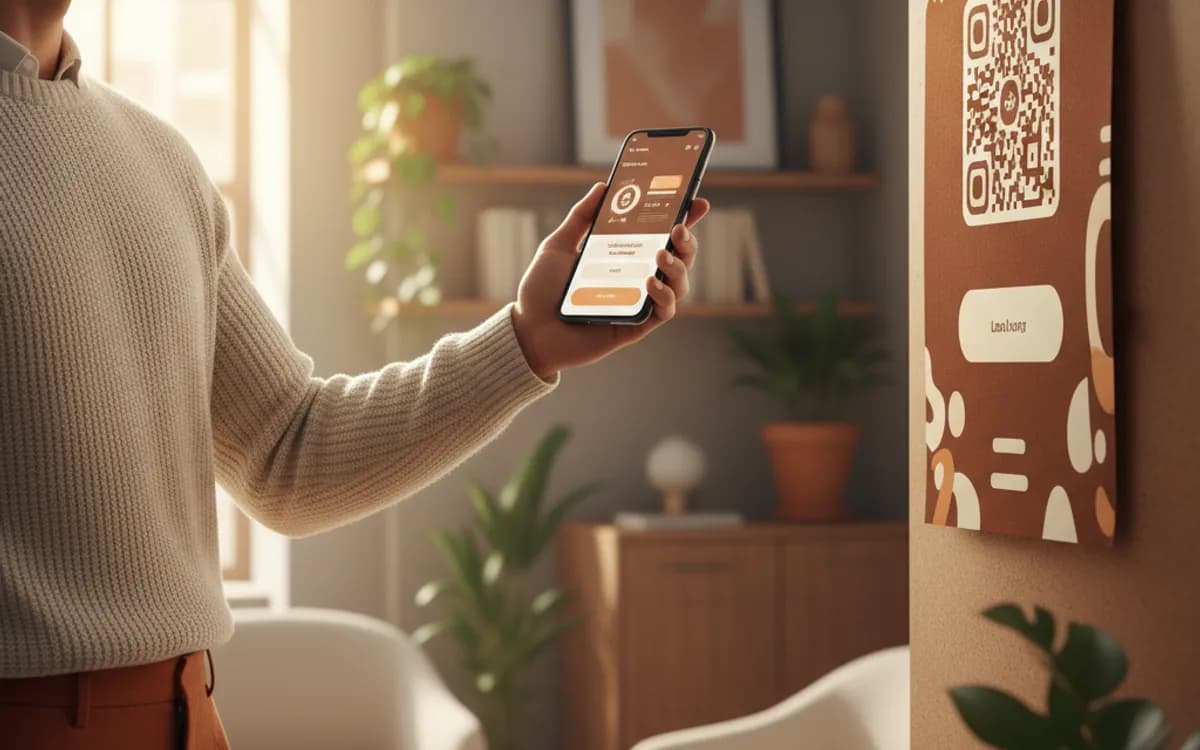
Static and dynamic, honestly compared
A static code encodes the destination directly. It is free here, it never expires, it depends on no provider staying in business, and it can never be changed. That is genuinely the right answer for a personal site on a business card or a link on a conference slide. A dynamic code encodes a short link, which means it can be edited and measured, but it also means the redirect has to keep resolving, so it belongs to you and your workspace rather than living inside the pattern. The choice is not about quality, it is about whether the print outlives the destination.
The three moments dynamic codes pay for themselves
A website migration that changes every URL on the site, which turns every static code you ever printed into a 404 overnight. A campaign that ends while its posters, packaging and inserts are still in the world, where repointing beats sending thousands of people to a dead page. And a mistake caught after the print run, the wrong link, a typo in the domain, a page that was never published. Any one of these costs more than a subscription.
What editing does not change
It is worth being precise: the printed pattern is fixed forever. What changes is where the short link inside it resolves to. That means you can never alter the code's appearance, its size, or the short link itself once it is printed, so choose a short domain and a stable slug at the start. It also means the scan count keeps accumulating across every destination change, which is what makes long-running print campaigns measurable.
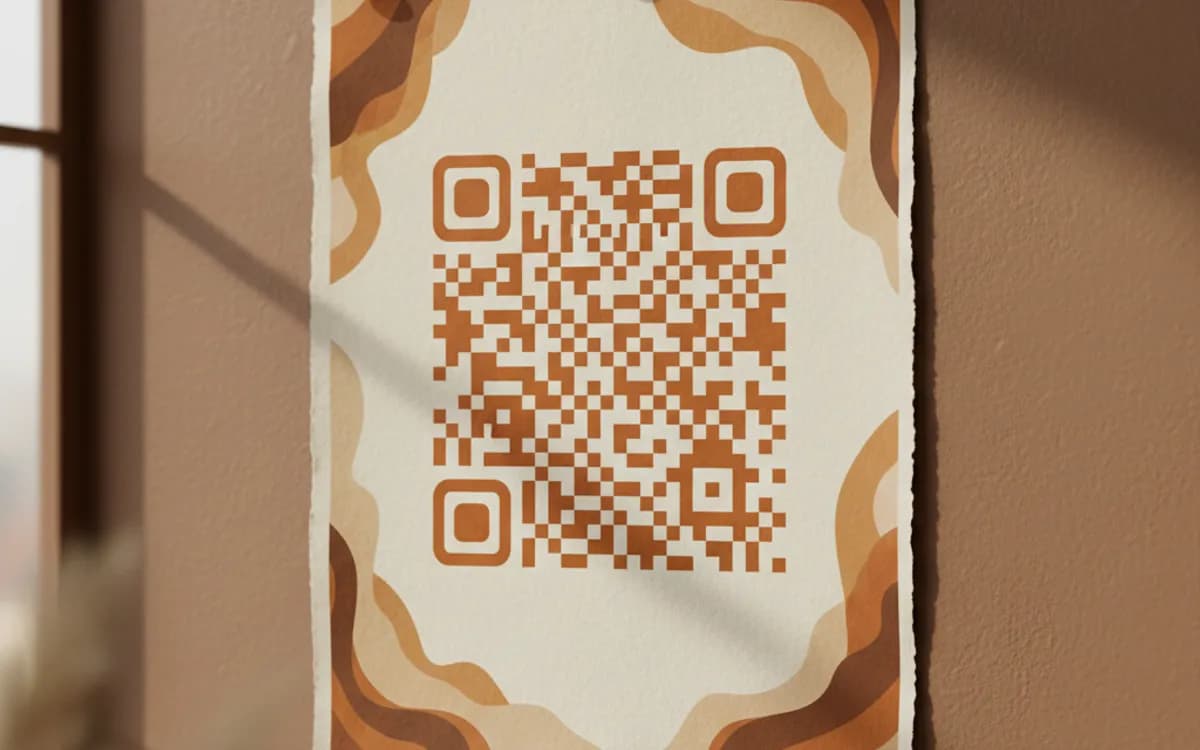
Free Tool vs a Free linkutm Plan
Every code on this page is free to make and never expires. A free linkutm plan adds what a printed code cannot do on its own, editing the destination and counting the scans, with no credit card required.
Editable codes, scan tracking, and analytics are included on the free plan. Your own domain, logo, frames, and team seats come with a paid plan when you need them.
Free plan available. No credit card required.
Frequently Asked Questions
Want To Know Who Scanned It?
A dynamic QR code keeps the same printed pattern while you change where it points, and shows you every scan, when, where, and on what device.
Related Tools
Free Trackable QR Code Generator
Create a free trackable QR code and see scans by time, place and device. No signup. The best QR code generator with analytics. Download PNG, SVG or PDF.
Generate Free QR Codes for URLs
Turn any link into a free URL QR code in seconds. No signup, no expiry. Download PNG, SVG or PDF, add your logo, and track every scan with linkutm.
Generate Free QR Codes for Product Info
Create a free product QR code that opens details, how-tos or authenticity on scan. No signup. Ideal for packaging. Download PNG, SVG or PDF.
Free Multi-URL QR Code Generator
Create a free multi-URL QR code that offers several links from one scan. No signup. The best multi-link QR code maker for bios and packaging. Download PNG, SVG or PDF.